Meet Prof. Haffejee
Professor Mohamed Haffejee, a distinguished urological surgeon, brings over 21 years of extensive experience to his role as a consultant. Actively engaged as a clinician, mentor, teacher, academic & researcher. He currently practices full-time at Netcare Milpark Hospital & the Donald Gordon Medical Centre. He previously served as the Chief Specialist at Charlotte Maxeke Johannesburg Academic Hospital, dedicating 25 years to state practice.
Brachytherapy Johannesburg
What is Brachytherapy?
Brachytherapy is a form of radiation therapy used in the treatment of various cancers. In this technique, radioactive sources are placed directly within or very close to the tumor or the area requiring treatment. The term “brachy” is derived from the Greek word for “short,” which reflects the short range of radiation emitted by the radioactive sources used in this therapy.
The choice between brachytherapy and other forms of radiation therapy depends on factors such as the type and location of the cancer, the size of the tumor and the patient’s overall health. It is essential to consult with a healthcare team to determine the most appropriate treatment plan based on individual circumstances.
Expertise
Professor Mohamed. Haffejee is highly experienced with expertise in various specialized areas. His proficiency includes expertise such as: urology oncology surgery for cancers of the prostate, kidney, bladder & testis, as well as reconstructive urology & urinary diversion procedures. Moreover, he is skilled in brachytherapy for prostate cancer and minimally invasive techniques for kidney and ureteric stone surgery. With specialized Neurourology & Urodynamic Units, he provides comprehensive care for spinal cord injuries (SCI) and acute brain injuries (ABI). Furthermore, his practice also extends to female urology, men’s health concerns, paediatric urology and medicolegal consulting, showcasing a diverse range of urological expertise.
- Men's Health
- Female Urology
- Urology Oncology
- Neurourology
- Reconstructive urology
- Medicolegal Consulting
- Brachytherapy
- Paediatric Oncology
- Kidney & Stone Surgery
Types of Brachytherapy Johannesburg
Interstitial Brachytherapy
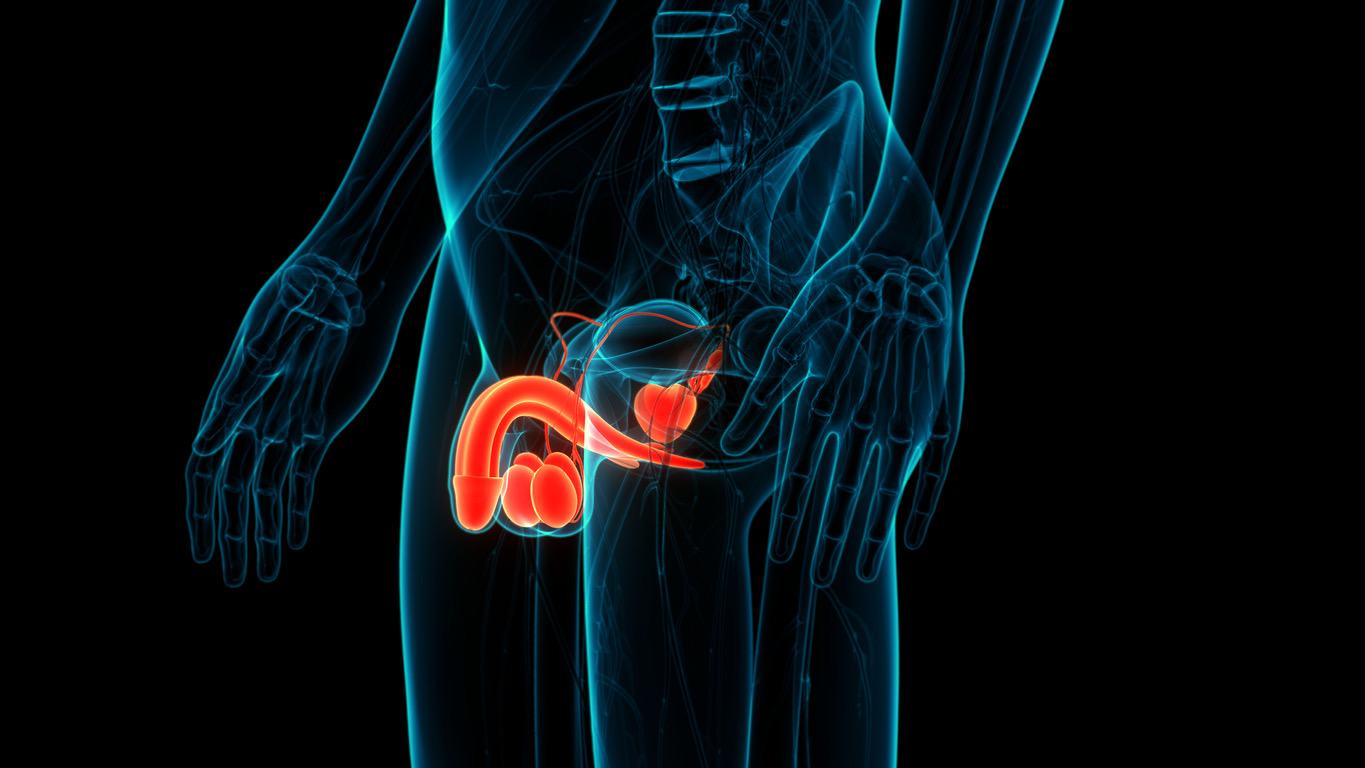
Interstitial brachytherapy is a form of radiation therapy where radioactive sources are directly placed into or very close to the tumor tissue. This precise approach allows for targeted delivery of radiation, commonly used in treating cancers such as prostate, breast & head and neck cancers. The sources can be temporarily or permanently inserted, emitting radiation to damage cancer cells’ DNA. The technique aims to maximize the radiation dose to the tumor while minimizing exposure to healthy surrounding tissues, contributing to an effective and localized cancer treatment.
Intracavitary Brachytherapy Johannesburg
What is Intracavitary Brachytherapy?
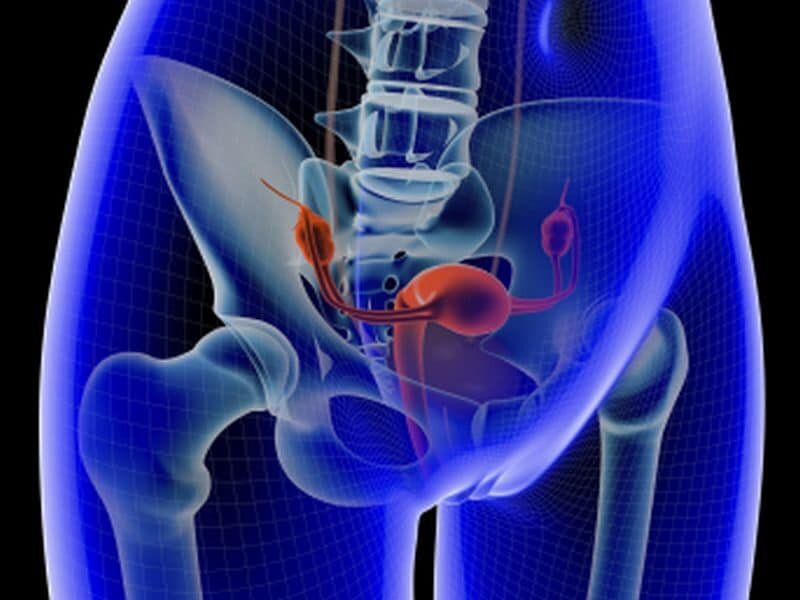
Intracavitary brachytherapy is a type of radiation therapy used in the treatment of cancer, where radioactive sources are placed within a body cavity near the tumor. The term “intracavitary” refers to the fact that the radiation sources are inserted into a natural body cavity. The specific details of intracavitary brachytherapy, including the duration of treatment and the type of radioactive sources used, depend on the type and location of the cancer, as well as the overall health of the patient.

Contact Us
Netcare Milpark Hospital
- East Wing, Suite 504 5th floor 9 Guild Road Parktown West, 2193
- Tel: +27 11 482 3663
- Tel: +27 11 482 3426
- reception@profmhaffejee.co.za
Hours of business
- Monday to Thursday: 08h30 to 16h00
- Friday: 08h30 to 12h30 and 13h30 to 16h00
- Saturday & Sunday: Closed
Wits Donald Gordan
- 27 Eton Road Parktown 2193
- Tel: +27 11 356 6456
- Tel: +27 11 482 6569
- Tel: +27 11 482 6425
- +27 11 356 6000
- reception@profmhaffejee.co.za
Hours of business
- Monday to Friday: 08h30 to 17h00
- Saturday & Sunday: Closed
Benefits of Brachytherapy Johannesburg
Did you know?
Precise Targeting: Brachytherapy allows for highly localized delivery of radiation directly to the tumor site. This precision minimizes damage to surrounding healthy tissues and organs, reducing the risk of side effects.
High Dose to Tumor: Brachytherapy can deliver a higher dose of radiation to the tumor compared to external beam radiation therapy. This can be particularly beneficial for certain types of cancers, enhancing the effectiveness of treatment.
Shorter Treatment Duration: In many cases, brachytherapy requires a shorter overall treatment duration compared to external beam radiation. This can contribute to greater convenience for the patient and may improve compliance with the treatment plan.
Minimized Radiation Exposure to Healthy Tissues: The proximity of the radiation sources to the tumor allows for a rapid dose fall-off, meaning that radiation exposure decreases quickly as you move away from the sources. This helps spare nearby healthy tissues from unnecessary radiation.
Preservation of Organ Function: Brachytherapy is often used in situations where organ preservation is crucial, such as in prostate cancer or certain gynecological cancers. By delivering targeted radiation, the therapy aims to treat the cancer while preserving organ function to the extent possible.
Applicability to Various Cancers: Brachytherapy can be used for a variety of cancers, including prostate, breast, cervical, uterine & head and neck cancers. Its versatility makes it a valuable treatment option across different types of malignancies.
Lower Risk of Distant Metastasis: Some studies suggest that brachytherapy may offer advantages in terms of controlling the primary tumor and reducing the risk of distant metastasis in certain cancers.
Outpatient Procedure: In many cases, brachytherapy is performed on an outpatient basis, allowing patients to return home on the same day. This can contribute to improved quality of life during the course of treatment.
It’s important to note that the suitability of brachytherapy depends on individual factors, including the type and stage of cancer, the patient’s overall health and other treatment options. A healthcare team will assess these factors to determine the most appropriate treatment plan for each patient.